
How Routine Preventive Dental Visits Reduce the Need for Future Treatments
Dental disease usually develops gradually. Cavities, gum inflammation, and bite irregularities often begin without pain. By the time symptoms appear, the condition may already require more extensive care.
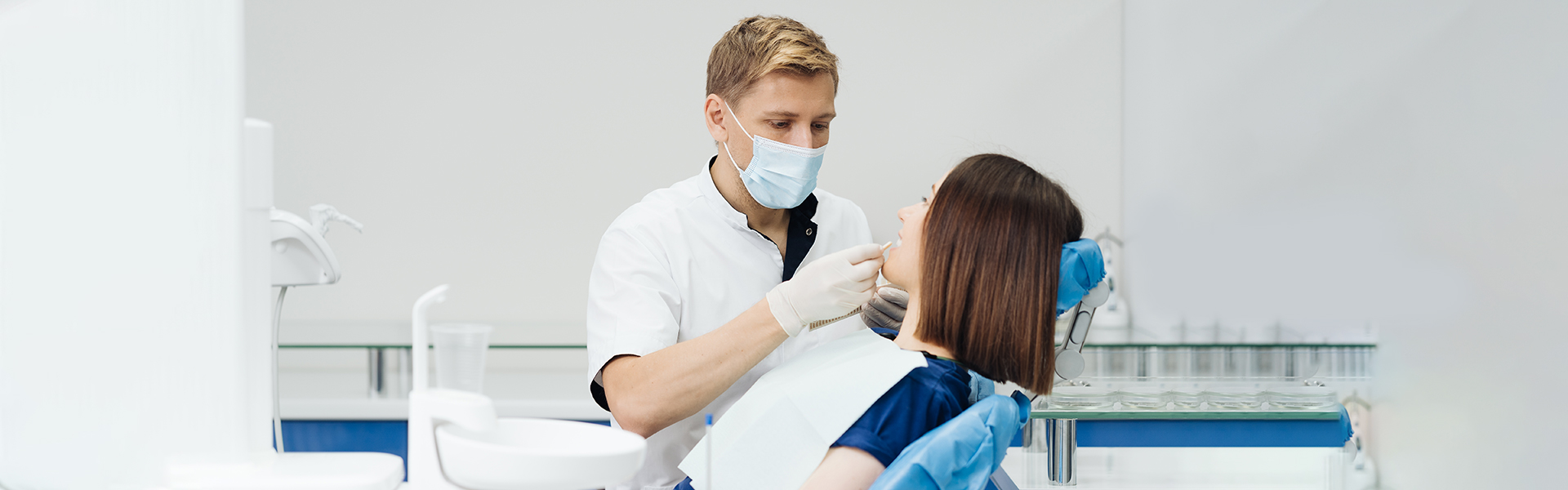
Routine examinations identify biological changes before structural damage progresses. These visits focus on monitoring oral health, assessing risk factors, and providing conservative care when indicated as part of Preventive Dentistry in Redding, CA.
Catching Problems Before They Worsen
Tooth decay begins when oral bacteria metabolize sugars and produce acids. These acids weaken enamel and create microscopic areas of demineralization. In the early stages, the surface may look intact, and a child may not report discomfort.
If recognized before progression, enamel demineralization can often be addressed with minimal restorative care. If diagnosis is delayed, decay may extend into dentin or the pulp, increasing the likelihood of needing fillings, crowns, or pulp therapy.
Routine visits also include evaluation of the gingival tissue. Gingival inflammation in its initial stage can often be reversed with improved hygiene and professional cleaning. Without care, inflammation may progress and affect the supporting bone around the teeth.
Treatment decisions are based on clinical findings and diagnostic assessment rather than symptoms alone.
Supporting Healthy Growth and Development
Children’s dental visits involve more than checking for cavities. Jaw growth, tooth eruption, and spacing patterns are evaluated over time. Identifying changes during development allows timely guidance when concerns arise.
Identifying developmental irregularities during growth can lessen the complexity of future orthodontic treatment. Growth assessment is based on clinical findings and radiographic interpretation when indicated.
Parents who seek a pediatric dentist in Redding, CA, often want guidance on eruption timelines, oral habits, and strategies that support healthy development.
Why Professional Cleanings Matter
Even with good oral hygiene habits, buildup may remain along the gumline and between teeth where cleaning is less effective. Over time, plaque hardens into calculus, which cannot be removed at home.
Professional cleaning removes plaque and hardened deposits from tooth surfaces and along the gumline. This reduces bacterial load and decreases the risk of decay and gingival inflammation.
Fluoride application may be recommended based on individual caries risk. Strengthening enamel in susceptible patients helps reduce acid-related damage.
Care recommendations are determined by documented clinical findings and individualized risk assessment.
Preventing Escalation of Dental Conditions
Early decay can expand if untreated, gingival inflammation may progress, and small fractures can worsen under repeated chewing stress.
Routine monitoring allows intervention while conditions remain manageable. Early intervention often maintains more natural tooth structure and limits the likelihood of complex restorative treatment.
Parents who search for a pediatric dentist near me are often seeking consistent preventive care rather than waiting for symptoms to develop.
Individual Risk Assessment and Education
Preventive visits also involve evaluating individual risk factors. Diet, fluoride exposure, oral hygiene technique, and developmental patterns vary between children.
During appointments, the dentist assesses:
- Caries susceptibility
- Effectiveness of brushing habits
- Oral habits such as thumb sucking
- Enamel development
- Sealant candidacy
Individualized guidance helps lower the risk of future cavities and periodontal breakdown. Recommendations are based on clinical findings and each child’s growth stage.
The Long-Term Benefit of Consistent Care
Routine appointments focus on maintaining stability rather than reacting to advanced disease. Addressing concerns at an initial stage often involves simpler procedures and promotes more stable outcomes.
Continued evaluation supports balanced occlusion, coordinated jaw growth, and fewer invasive procedures during adolescence.
At Shasta Kids Dentistry, care decisions are made after thorough clinical evaluation and consideration of each child’s developmental needs. Care is guided by structured evaluation, developmental monitoring, and evidence-based preventive planning.