
Sedation Dentistry for Kids: How It Helps During Emergency Dental Visits
When a child has a broken tooth, severe pain, or facial swelling, quick care matters, and so does comfort. Sedation dentistry in Redding, CA, helps anxious kids stay still, breathe normally, and receive treatment safely during urgent visits. This guide explains what sedation is, when it’s recommended, the options available, and how parents can prepare before, during, and after care.
What Exactly Is Pediatric Sedation, and Why Use It in Emergencies?
Sedation is a carefully dosed medication plan that relaxes children so dentists can treat pain, infection, or injury quickly and safely. In emergencies, it improves cooperation, limits sudden movements, and reduces stress for kids who are very young, fearful, or in significant discomfort. Your dentist selects the lightest effective level to complete necessary care without delay.
Quick Reference Guide
- Goals: Comfort, safety, and stillness for accurate treatment
- Levels: Minimal, moderate, deep, or general anesthesia (case-dependent)
- Monitoring: Continuous tracking of breathing, oxygen, pulse, and blood pressure
- Team: Trained clinicians following pediatric sedation guidelines
- Recovery: Most children go home the same day with written instructions
Which Sedation Options Might My Child Be Offered?
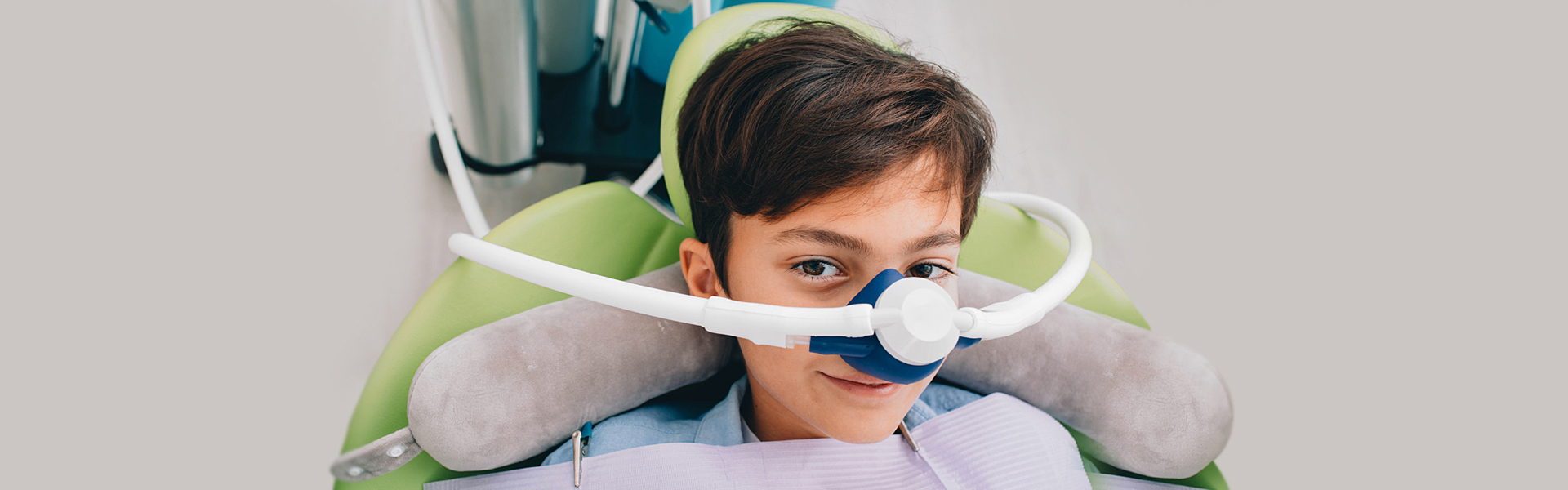
- Nitrous oxide (laughing gas): Gentle relaxation via a nasal mask; effects wear off quickly.
- Oral conscious sedation: A liquid medicine that increases calm while your child stays responsive.
- IV sedation: Medication delivered through a small IV for deeper, more controllable relaxation.
- General anesthesia (hospital or surgery center): Used when extensive treatment or special needs make it the safest choice.
The option depends on age, medical history, urgency, and the procedures required.
How Does Sedation Keep Kids Comfortable and Safe During Urgent Care?
Sedation lowers anxiety, eases the gag reflex, and helps children tolerate local anesthesia. With fewer sudden movements, the dentist can control bleeding, clean infected areas, and place restorations accurately. Safety comes first: trained staff monitor airway and vital signs continuously and are equipped to respond to rare side effects. Parents receive clear pre-op and post-op guidance.
What Should Parents Expect Before, During, and After the Visit?
Before: You’ll review medical history, allergies, and medications. Follow fasting instructions if provided. Dress your child in comfy clothes and bring a favorite blanket or toy.
During: Your child is monitored throughout treatment. The smallest effective dose is used, and a local anesthetic is given as needed.
After: Expect drowsiness. Offer clear liquids first, then soft foods. Keep an eye on activity; quiet play is best until balance and alertness return.
If you’re comparing options with a pediatric dentist in Redding, CA, ask how they choose sedation levels, what monitors they use, and where general anesthesia cases are completed.
Are There Risks, and How Do We Handle Aftercare at Home?
Most children do well with minor, temporary effects like drowsiness or mild nausea. Serious events are rare, and teams are trained to prevent and manage them. At home, follow the written instructions:
- Keep your child supervised until fully alert.
- Offer small sips of water; progress to soft foods.
- Use medications (if prescribed) exactly as directed.
- Call if fever, vomiting, breathing difficulty, or unusual sleepiness occurs.
How Do I Choose the Right Provider for My Child?
Look for a practice that treats children often, follows pediatric sedation protocols, and welcomes questions. Ask about training, emergency equipment, and how they tailor plans for age, size, and medical needs. If you’ve been searching for a pediatric dentist near me, schedule a consult to review options and clarify what will happen on the day of care.
When to See a Dentist Right Away
Seek urgent care if your child has:
- Facial swelling, fever, or spreading infection
- A knocked-out, displaced, or broken permanent tooth
- Uncontrolled bleeding after an injury
- Severe toothache that wakes them from sleep
- Dental trauma with lip/tongue lacerations
Early treatment reduces complications and often shortens recovery time.
Final Thoughts
Dental emergencies are stressful, but the right sedation plan can make care calm, efficient, and safe for children. From nitrous oxide to deeper options, the goal is simple: relieve pain and complete urgent treatment with minimal stress. For personalized guidance, clear safety protocols, and a child-friendly approach, schedule a visit with Shasta Kids Dentistry.